
Most people focus heavily on training programs, exercise selection, and supplements while overlooking the most important nutritional variable for muscle growth: protein intake. Without enough dietary protein, even a well-designed hypertrophy program cannot fully support recovery, muscle protein synthesis, and long-term adaptation.
The question is not whether protein matters. The real question is how much protein you actually need to build muscle efficiently without wasting calories or overcomplicating your diet. You can estimate your personal targets using the free macro calculator.
1. The Biological Foundation: Muscle Protein Synthesis vs. Breakdown
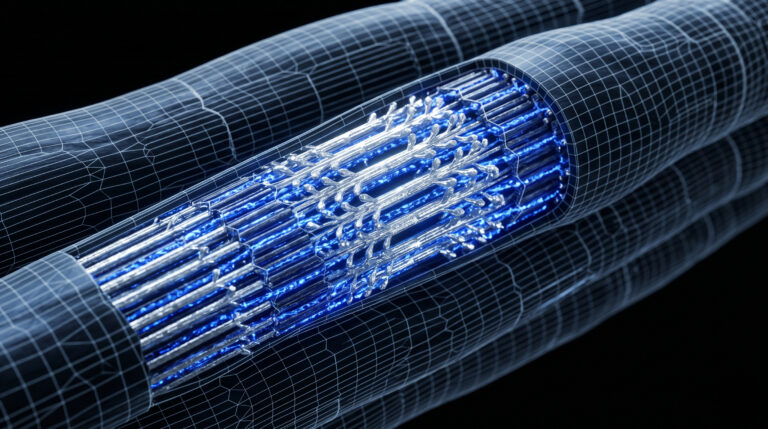
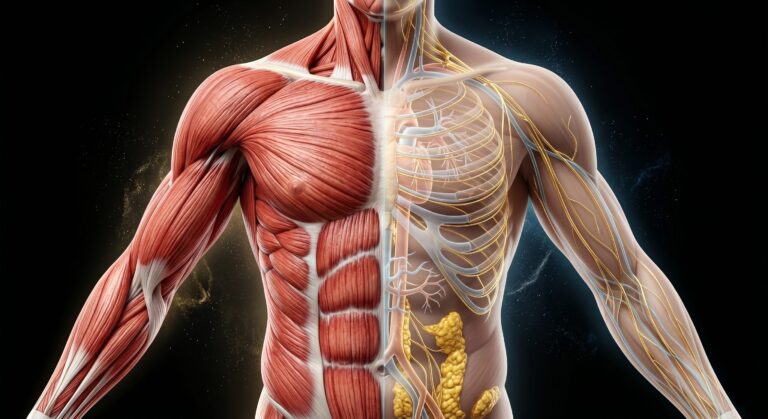
Muscle growth occurs when the rate of Muscle Protein Synthesis (MPS) exceeds the rate of Muscle Protein Breakdown (MPB) over time. See our full guide on muscle hypertrophy for how training itself drives this process.
Resistance training provides the stimulus, but protein supplies the amino acids needed to repair and build new muscle tissue. If training is the signal, protein is the raw material. Without enough raw material, the body cannot fully complete the rebuilding process.
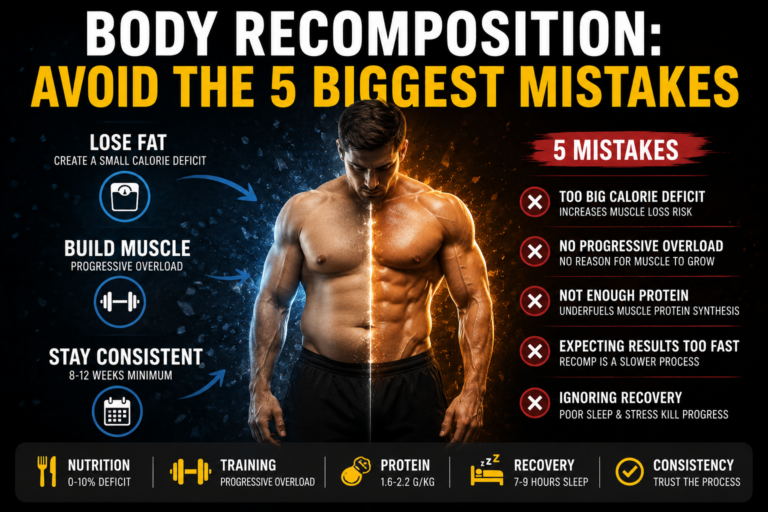
This is why protein intake becomes especially important during muscle-building phases, fat-loss phases, and body recomposition. In all three cases, the goal is to maintain or increase lean tissue while managing energy intake strategically. If body recomposition is your goal, see our complete recomposition guide.
2. The Leucine Threshold: Why Protein Quality Matters
Not all protein sources stimulate muscle growth equally. One of the most important amino acids for hypertrophy is leucine. Leucine acts as a trigger for the mTOR pathway, which helps initiate muscle protein synthesis.
For most adults, a high-quality protein meal should provide enough leucine to meaningfully stimulate MPS. This is why complete protein sources such as lean meat, fish, eggs, Greek yogurt, and whey protein are especially effective for muscle-building diets.
In practical terms, most lifters do not need to calculate leucine directly. Instead, they should focus on eating enough total daily protein and distributing that protein across several high-quality meals.
3. Evidence-Based Protein Intake for Muscle Growth
The common recommendation of “1 gram of protein per pound of body weight” is simple and often effective, but it is not always necessary for everyone. Modern research suggests that muscle growth tends to plateau within a specific protein intake range for most resistance-trained individualsMorton et al..
| Goal | Daily Protein Intake | Expected Outcome |
|---|---|---|
| General Health | 0.8 g/kg body weight | Basic deficiency prevention, not optimized for hypertrophy. |
| Recreational Training | 1.2–1.6 g/kg body weight | Supports recovery and basic strength training adaptation. |
| Muscle Growth | 1.6–2.2 g/kg body weight | Optimal range for most lifters seeking hypertrophy. |
| Fat Loss / Recomposition | 2.2–2.8 g/kg body weight | Improves muscle retention while calories are restricted. |
Real-Life Example: Protein for an 80 kg Lifter
If you weigh 80 kg, your daily protein target may look like this:
- Minimum effective range: 130g protein per day.
- Optimal muscle-building range: 130–175g protein per day.
- Fat loss or recomposition range: 175–220g protein per day.
Eating 300g of protein per day will not automatically build more muscle. Once your protein needs are met, additional protein provides diminishing returns.
4. Protein Timing: Does the Anabolic Window Matter?
For years, lifters believed that protein had to be consumed within 30 minutes after training or the workout would be wasted. This idea is often called the anabolic window.
Current evidence suggests that the anabolic window is much wider than previously believed. Total daily protein intake is far more important than exact timing. However, protein distribution still matters because muscle protein synthesis is stimulated in pulses throughout the daySchoenfeld & Aragon.
| Priority Level | Protein Factor | Practical Importance |
|---|---|---|
| Highest | Total daily protein | The most important factor for muscle growth and recovery. |
| Moderate | Protein distribution | Helps stimulate MPS multiple times per day. |
| Lower | Exact post-workout timing | Useful, but less important than total daily intake. |
For most lifters, the simplest approach is to consume 3 to 5 protein-rich meals per day, with each meal containing approximately 25 to 50 grams of high-quality protein.
5. Best Protein Sources for Building Muscle
The best protein sources are not necessarily the most expensive supplements. In most cases, whole foods should make up the foundation of your diet, while protein powder can be used for convenience. For practical meal ideas, explore our high-protein recipes.
| Protein Source | Approximate Protein | Best Used For |
|---|---|---|
| Chicken Breast | 30–35g per 150g | Lean meal prep, fat loss, recomposition. |
| Lean Beef | 25–30g per 150g | Muscle building, iron intake, strength-focused diets. |
| White Fish | 25–30g per serving | Low-calorie, high-protein cutting meals. |
| Greek Yogurt | 15–25g per serving | Snacks, sauces, desserts, high-protein recipes. |
| Eggs | 6g per whole egg | Breakfast, nutrient density, mixed protein/fat meals. |
| Whey Protein | 20–30g per scoop | Convenience, post-workout, low-effort protein intake. |
The Common Mistake: Protein Without Calories
Protein is essential, but it cannot replace total energy balance. If calories are too low, muscle gain becomes extremely difficult. If calories are too high, fat gain can accelerate. For the best results, protein intake must work together with your total calorie target. If fat loss is the goal, see our complete fat loss guide.
6. Practical Protein Protocol for Muscle Building
- Set your daily target: Aim for 1.6–2.2g of protein per kilogram of body weight for muscle growth.
- Distribute protein evenly: Eat 3–5 protein-rich meals instead of saving most of your protein for one meal.
- Choose high-quality sources: Prioritize lean meat, fish, eggs, dairy, and complete plant protein combinations.
- Adjust during fat loss: Increase protein closer to 2.2–2.8g/kg when cutting or attempting body recomposition.
- Track consistently: Use a macro calculator or food tracker to avoid guessing your intake.
Tools That Make Hitting Your Protein Target Easier
Simple, well-reviewed gear for tracking and hitting your daily protein number
As an Amazon Associate, Oneizar may earn from qualifying purchases at no extra cost to you.
7. Actionable Summary
- Most lifters need 1.6–2.2g/kg: This range is enough to maximize muscle growth for the majority of people.
- More protein is not always better: Once your needs are met, extra protein has diminishing returns.
- Timing matters less than consistency: Total daily intake is the main priority.
- Protein helps body recomposition: Higher protein intake supports muscle retention while losing fat. For more science-based guidance, visit our fitness articles library.
- Whole foods should be the foundation: Supplements are useful, but not mandatory.
Frequently Asked Questions
Most lifters should aim for 1.6–2.2 grams of protein per kilogram of body weight per day to support muscle growth.
Yes. Protein powder is only a convenient food source. Chicken, beef, fish, eggs, Greek yogurt, and other whole foods can fully support muscle growth.
Not always. It is a simple guideline, but many people can maximize muscle growth with slightly less, especially when calories are sufficient.
Most people do well with 25–50 grams of high-quality protein per meal, spread across 3–5 meals per day.
No. Once your daily protein requirement is met, eating significantly more protein does not automatically increase muscle growth.