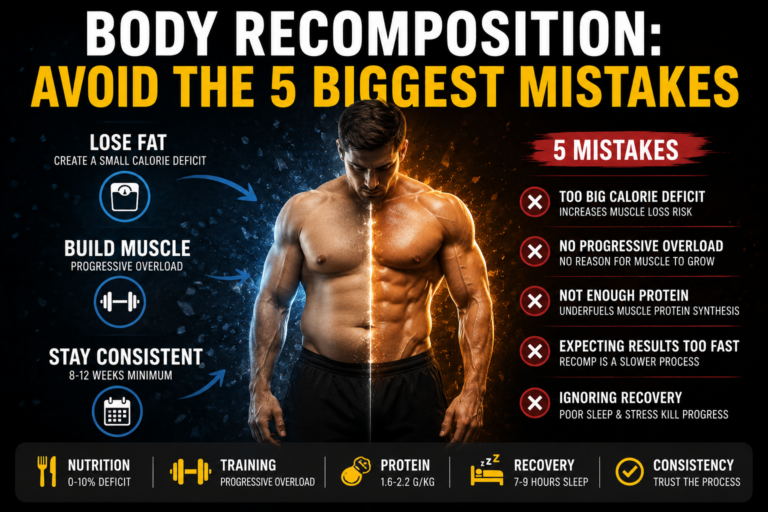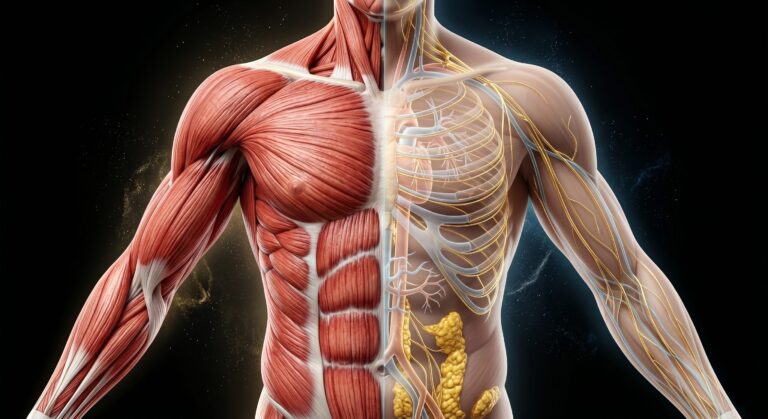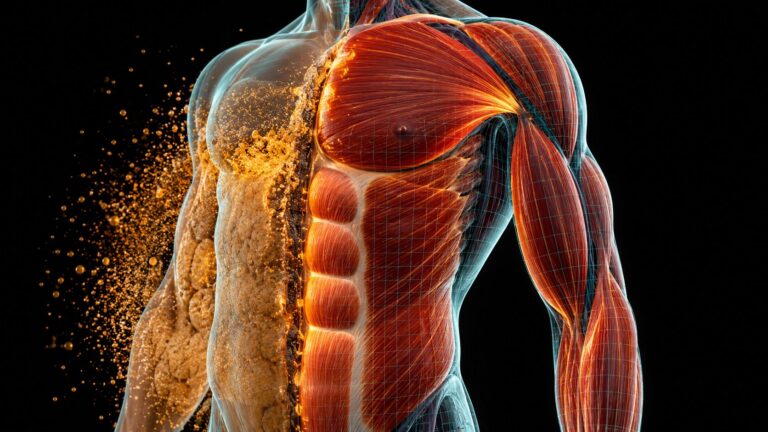

When engineering a successful fat loss phase, most people fixate entirely on two variables: the exact calories consumed and the duration of their cardio sessions. However, metabolic science reveals a hidden component of daily energy expenditure that exerts a far greater impact on fat oxidation than intentional exercise: NEAT. See the full deficit framework in our complete fat loss guide.
1. Deconstructing Daily Energy Expenditure
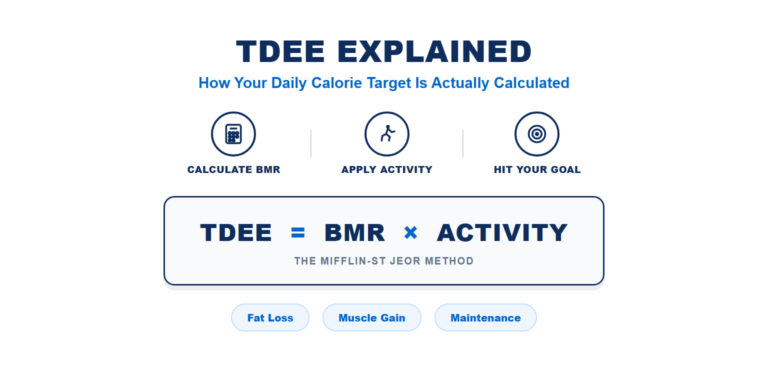
To fully understand fat loss, we must look at the total composition of your TDEE. While your baseline metabolism handles the absolute majority of your caloric burn, your daily movement is divided into two highly distinct metabolic categories. For the full breakdown of how TDEE itself is calculated, see our TDEE and calorie basics guide, or run your own numbers with Oneizar’s free macro calculator.
The first is Exercise Activity Thermogenesis (EAT), which encompasses your structured gym sessions. Surprisingly, EAT accounts for a mere 5% of daily energy expenditure for the average person. The second, far more dynamic component is NEAT. This includes spontaneous movements such as pacing, fidgeting, walking to your car, typing, and maintaining your posture. NEAT is the invisible driver that can shift your energy deficit by hundreds of calories per day without your conscious awareness.
2. The Adaptive Thermogenesis Trap
Here is why NEAT is critical during a diet: when you enter a calorie deficit, your body perceives the drop in food as an emergency. To save energy, your brain subconsciously initiates a process known as Adaptive Thermogenesis. It begins downregulating your spontaneous daily movementsLevine.
Without realizing it, you start sitting more, pacing less, blinking slower, and slouching. This subconscious reduction in NEAT can subtly decrease your daily caloric expenditure by 300 to 500 calories, completely erasing the deficit you created through your diet. This is the exact physiological explanation for why plateaus happen even when you think you are doing everything right — the same underlying mechanism covered in our body recomposition mistakes guide.
3. Quantifying the Volatility of Spontaneous Movement
Clinical data shows that NEAT is the single most variable component of human metabolism. Between two individuals of similar height and weight, daily energy expenditure from NEAT can vary by up to 2,000 calories per day based on occupation, lifestyle habits, and genetics.
| Activity Level Profile | Average Daily NEAT Burn | Impact on Fat Loss Strategy |
|---|---|---|
| Sedentary (Desk Job, Minimal Pacing) | ~ 300 – 500 kcal | High risk of metabolic adaptation. Requires a stricter food restriction to maintain a consistent fat loss deficit. |
| Moderate (Active Lifestyle, Planned Steps) | ~ 800 – 1,200 kcal | The ideal baseline for fat loss. Allows for higher food intake while maintaining a clean, steady rate of fat oxidation. |
| Highly Active (Physical Labor, High Fidgeter) | ~ 1,500 – 2,000+ kcal | Massive caloric buffer. Subjects can lose fat rapidly even with highly conservative, comfortable calorie deficits. |
💡 The Fallacy of the “Active Couch Potato”
Lifting weights for 60 minutes does not make you an active person if you spend the remaining 23 hours of the day completely sedentary. A grueling workout followed by 10 hours of uninterrupted sitting results in a lower total daily caloric burn than someone who never steps foot in a gym but walks 12,000 steps during their normal working routine. To sustain fat loss, you must actively track and protect your non-exercise movement.
4. Practical Optimization Guidelines
To defend your metabolism against adaptive thermogenesis and keep fat loss moving forward smoothly, implement these targeted non-exercise protocolsDonahoo et al.:
- Establish a Step Floor: Set a strict daily movement baseline (e.g., 10,000 steps). Treat this number as a non-negotiable metric, exactly like your daily macro targets. This prevents your brain from subconsciously downregulating your movement as you get deeper into a cut.
- Implement Activity Interventions: For every 60 minutes spent sitting at a desk, force a mandatory 5-minute movement window. Stand up, stretch, or pace around the room.
- Utilize Active Posture: Incorporating standing desks or stability balls increases core muscular engagement, subtly elevating your hourly baseline metabolic expenditure.
Make Your Step Floor Non-Negotiable
A simple way to track NEAT so it doesn’t quietly disappear during a cut
As an Amazon Associate, Oneizar may earn from qualifying purchases at no extra cost to you.